
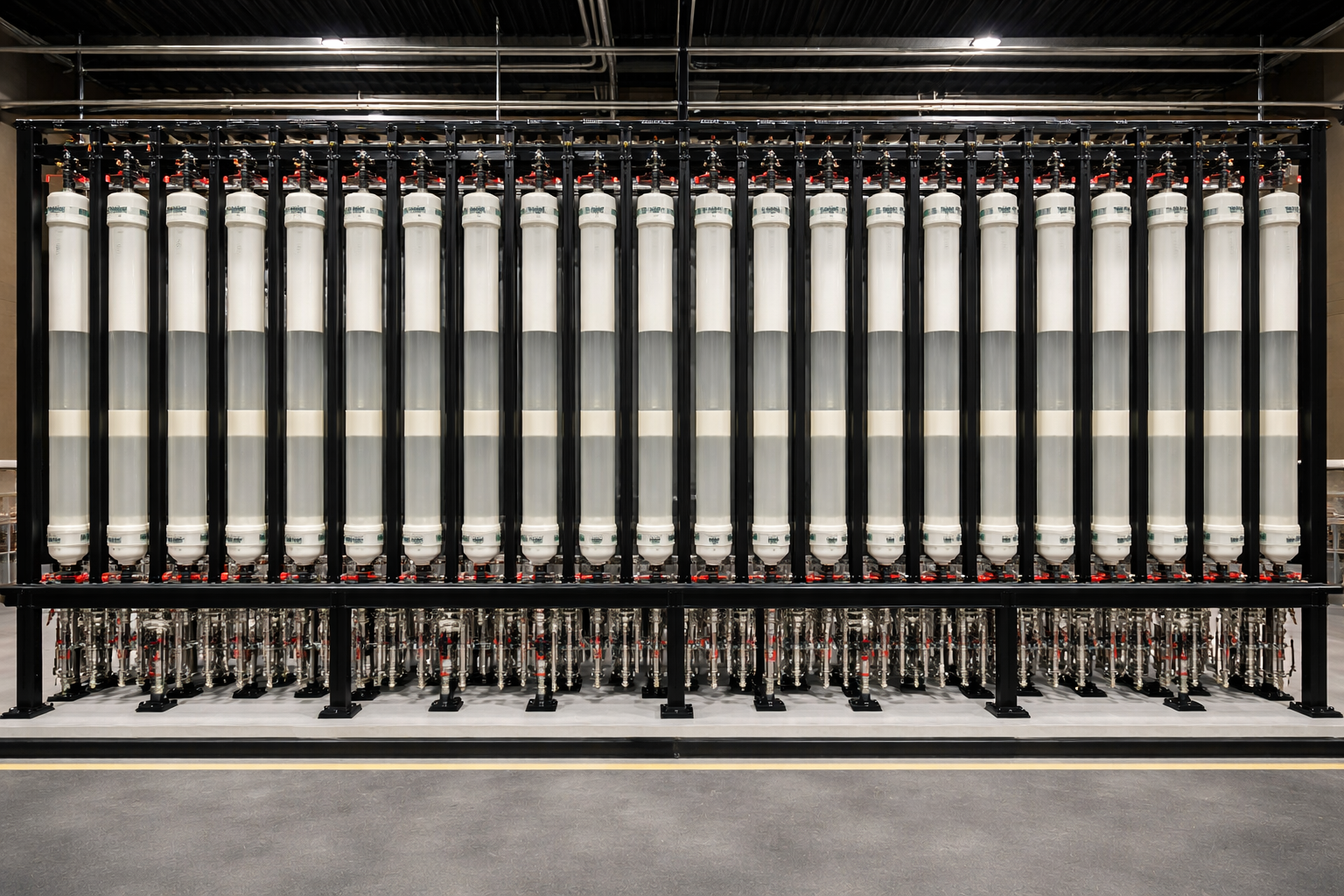
An AI-Native Platform for Rare Earth Separation
Developing a control-first midstream system that uses real-time data and adaptive optimization to produce high-spec dysprosium and terbium under variable feedstock conditions.
Heavy rare earths are indispensable
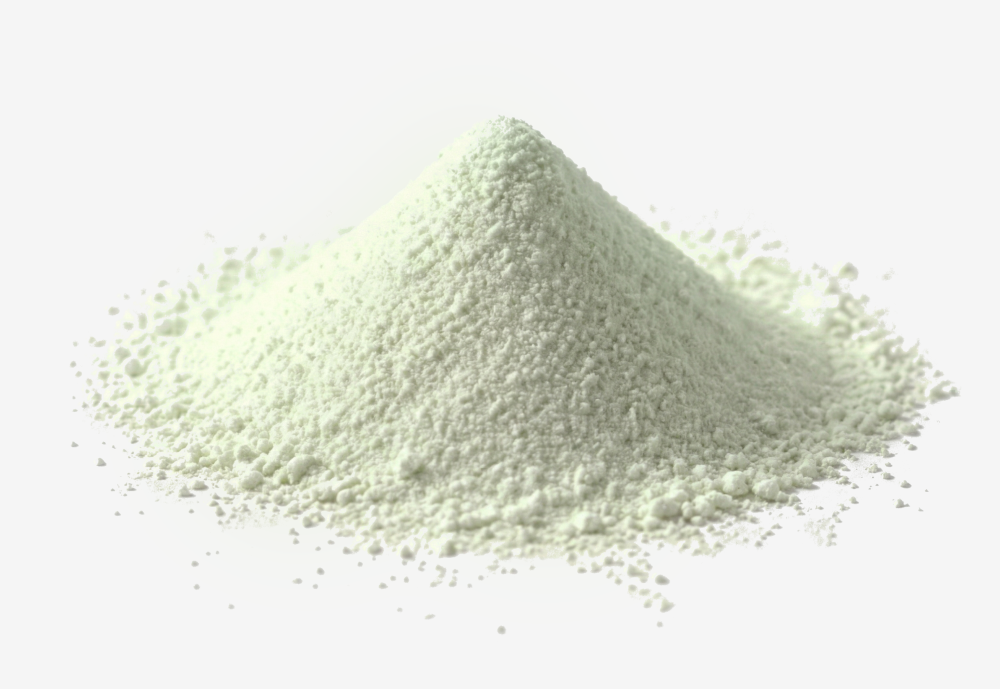
Dysprosium/terbium (Dy/Tb) doped magnets resist demagnetization stress
They resist demagnetization through thermal cycling and high magnetic flux density found in the most demanding applications in defense, EVs, renewable energy, and robotics. Enabling wind turbines to run hot for hours without failing, and robotic actuators to function reliably long-term.
Alternatives are insufficient
Alternatives such as Cerium have inferior thermal and flux resistant properties, Samarium Cobalt lacks the energy density, and Iron Nitride is difficult to manufacture in adequate quantity and quality and lacks the decades of reliability data of Dy/Tb doped magnets.
The Midstream Bottleneck
Separation and Refining are the biggest bottlenecks
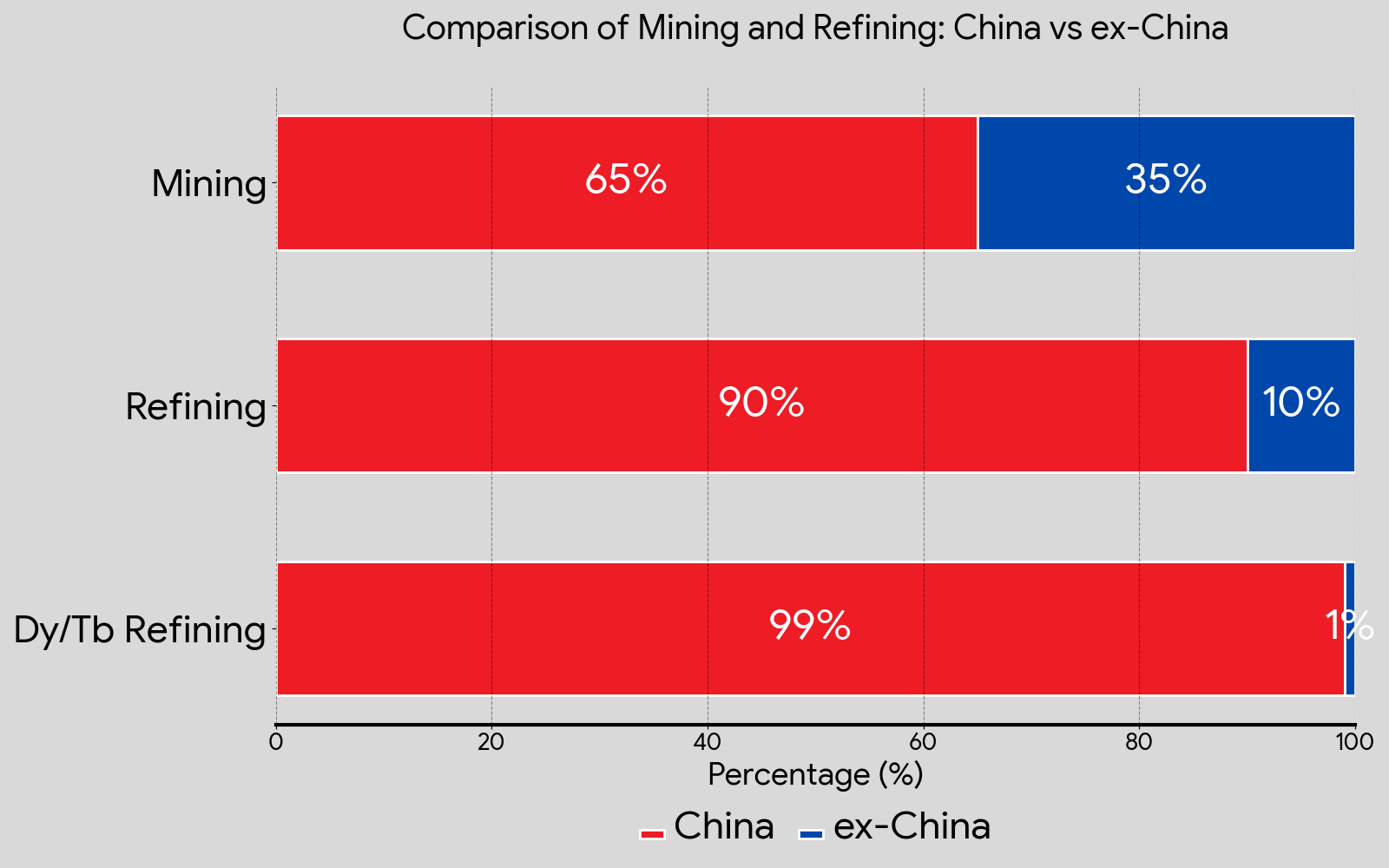
Rare earth supply is not constrained at the point of extraction. It is constrained at the point of separation.
Approximately 35% of rare earth mining occurs outside of China, yet only ~10% of separation and refining capacity exists outside of China, and for heavy rare earth elements such as dysprosium and terbium, that figure is closer to 1%.
This imbalance defines the structure of the industry. Concentrates produced globally must still flow through a highly concentrated midstream, limiting supply chain resilience, slowing project timelines, and introducing geopolitical risk.
Any credible effort to diversify supply must therefore prioritize the expansion of separation and refining capacity. Without it, upstream growth does not translate into independent supply.
The Missing Layer in the Value Chain

The rare earth industry lacks a neutral, scaled midstream layer.
Today, mining companies are often forced to internalize separation and refining in order to reach market, increasing capital requirements and execution risk. At the same time, vertically integrated producers must synchronize mining and processing scale, even when the optimal timelines differ.
A dedicated, independent midstream layer addresses both constraints:
Enabling upstream producers to monetize material without building full processing stacks
Allowing processing capacity to scale independently of individual mining projects
Reducing system-wide capital intensity and execution risk
Accelerating the overall expansion of non-Chinese supply
The absence of this layer is not incidental, it is the central bottleneck preventing the industry from scaling.
A Midstream Focused Company

Addressing the bottleneck
Phase Materials is focused on building heavy rare earth midstream capacity, thereby addressing the most critical bottleneck. We are not focused on mining, metals, or light rare earth commodity markets but becoming the midstream specialist for heavy rare earths.
Qualification and tight impurity controls
Customers need qualified material that fits their specification. The focus on separation and refining lets us build that expertise, allowing a faster path to spec-qualified production.
Feedstock diversity
The company is being built to support multiple sources of non-Chinese feedstock to enable long-term scale and reducing supplier risk. With a targeted initial stream we’ll gradually expand capability as suppliers are able to meet our specifications.
Platform Approach
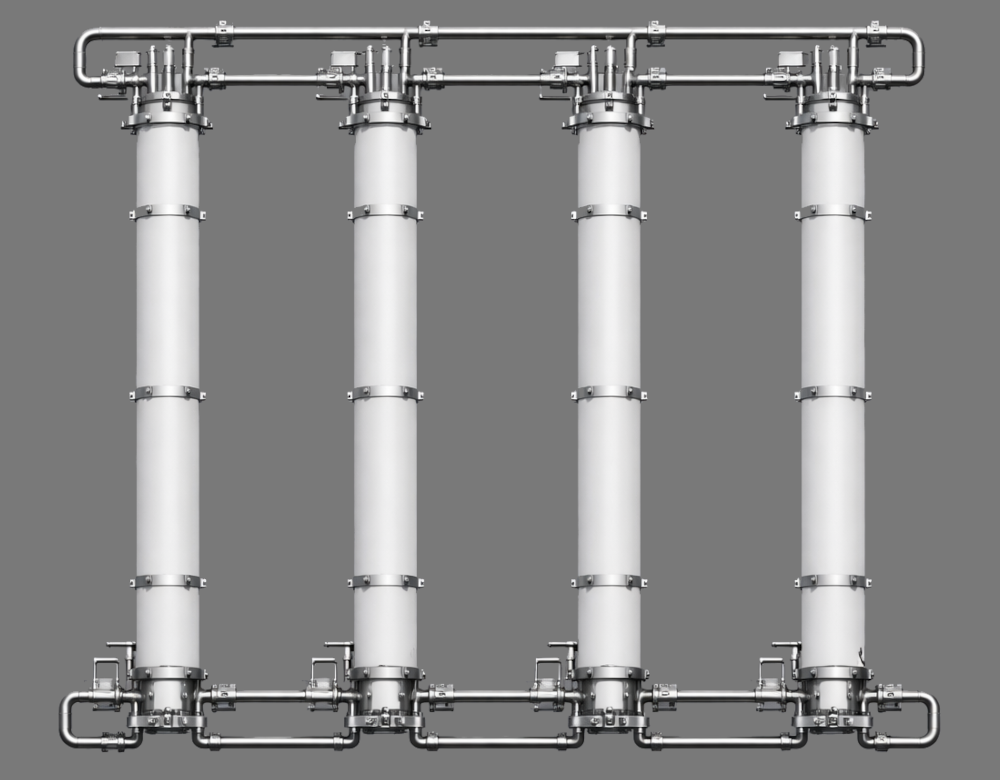
Phase Materials is building an integrated hydrometallurgical separation platform designed to deliver high-spec dysprosium and terbium across variable feedstocks.
AI-assisted process control
Phase Materials is designing its platform around disciplined process monitoring, data infrastructure, and operating practices that support stable performance across qualified feedstocks. Over time, operating data will be used to improve process understanding, scale-up discipline, and reagent efficiency.
Multi-Stage Solvent Extraction (SX)
The platform is being built around counter-current solvent extraction cascades structured for high-selectivity separation of heavy rare earth elements, with a particular focus on dysprosium and terbium.
Feedstock Conditioning and Impurity Management
Upstream conditioning enables diverse rare earth inputs to be converted into SX-compatible streams, with an emphasis on impurity management and stable process performance.
Controlled Oxide Production
Downstream finishing stages are being designed to deliver high-purity rare earth oxides with consistent chemical and physical specifications required for advanced magnet applications.
Engage with Phase Materials
We are seeking partners across investment, feedstock suppliers, downstream users, and strategic partners.